T. 01246 819 970 | E. info@mpcsystems.co.uk
Principle
Designer
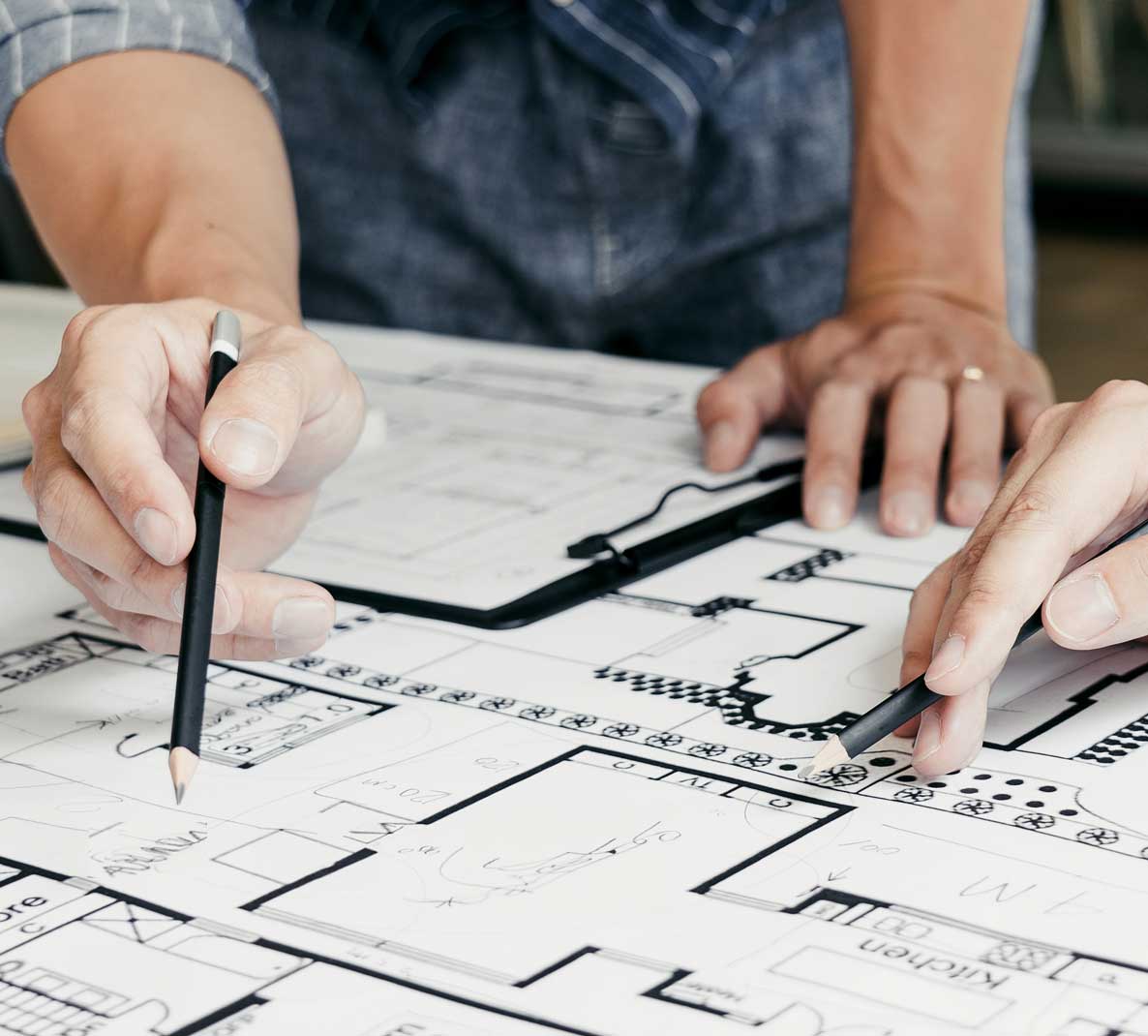
At MPC Systems, we understand the crucial role a Principal Designer plays under the Construction (Design and Management) Regulations 2015 (CDM 2015). As the lead authority for managing health and safety during the design phase, the Principal Designer ensures that risks are identified early and effectively controlled throughout the project.
With extensive industry experience and strong regulatory knowledge, MPC Systems supports clients in meeting their legal duties while delivering safer, more efficient, and fully compliant projects.
Below is a clear overview of the Principal Designer role, when it’s required, and how we ensure full CDM compliance from initial concept through to construction.
What is a Principal Designer?
A Principal Designer (PD) is appointed by the client on any construction project involving multiple contractors. Their role is to lead and coordinate all aspects of health and safety during the pre‑construction phase, ensuring risks are identified, managed, and designed out wherever possible.
A Principal Designer can be an individual or an organisation, but they must demonstrate the right skills, knowledge, and experience (SKE)—along with the necessary organisational capability—to oversee the design process effectively. While they don’t need to produce design work themselves, they must take control of how the design is developed and how safety is integrated throughout the planning stage.
Why This Role Matters
Early design decisions have a long‑lasting impact on the success and safety of any construction project. A qualified Principal Designer (PD) embeds effective risk management from the very beginning, ensuring health and safety are prioritised throughout the entire design and build process. At MPC Systems, we ensure the PD works closely with clients and contractors to identify, manage, and reduce risks at every stage.
Appointment
and Duration
Clients must appoint the Principal Designer (PD) in writing as early as possible—ideally at the concept and planning stage. The PD should remain involved for as long as their expertise is required to manage design‑related health and safety risks.
If the appointment ends before the project is complete, MPC Systems ensures all essential safety information and documentation, including the Health & Safety File, is fully updated and handed over to the Principal Contractor to maintain continuous compliance.
Core Capabilities
A Principal Designer must be a qualified professional with the expertise required to manage health and safety during the pre‑construction phase. This includes:
- Specialist technical knowledge relevant to the construction industry
- Strong ability to manage and coordinate all aspects of the pre‑construction stage
- Proven experience in identifying and controlling design‑related risks
Key Responsibilities
At MPC Systems, our appointed Principal Designers play a vital role in ensuring safe, compliant, and well‑managed project delivery. Their key responsibilities include:
- Planning, managing, and coordinating all health and safety aspects during the pre‑construction phase
- Supporting clients by gathering, organising, and providing essential safety information
- Working collaboratively with all designers to remove or minimise foreseeable risks
- Encouraging clear communication and strong cooperation across the project team
- Liaising closely with the Principal Contractor to address ongoing health and safety considerations
MPC Systems (North) Ltd
Unit 11, Network Centre
Midland Way
Barlborough
Chesterfield
S43 4WW
Telephone: 01246 819 970
QUICK LINKS
OUR POLICIES

Copyright © 2026 MPC Systems.

All rights reserved.